
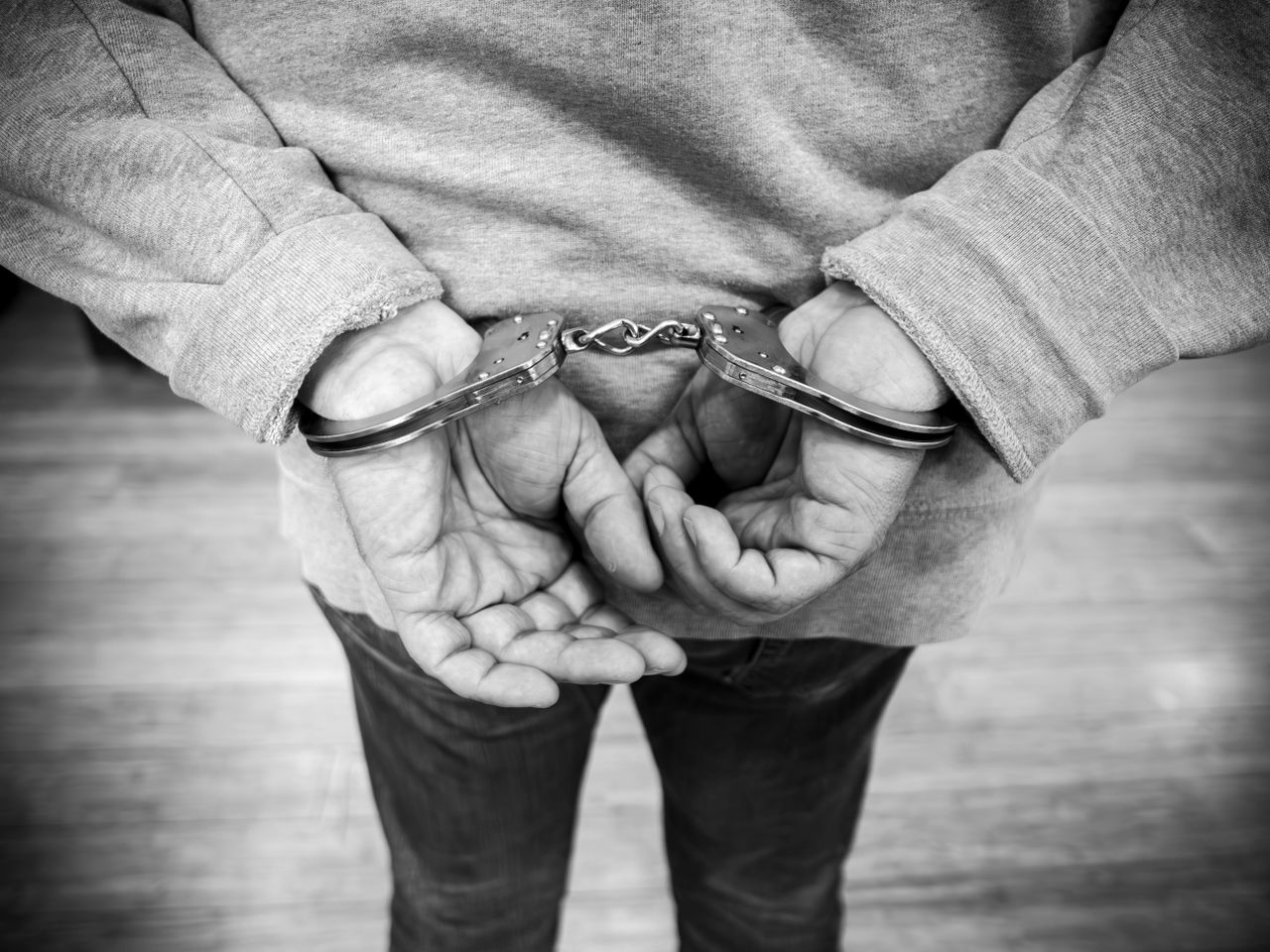
During the first 48 hours of your arrest, you can expect to be investigated for probable cause, booked into a jail facility, questioned by police, taken to your first court appearance, and possibly released on bail.
This process can be distressing and humiliating for anyone. Fortunately, if you’re in Utah, you are protected by the United States Constitution. As long as you know how to apply your rights, you can avoid more trouble.
In some cases, police will arrest you after obtaining a warrant from a judge that allows them to make the arrest. However, if police need to arrest you without a warrant (i.e. at a traffic stop), police need to establish probable cause before they even make the arrest.
This is a standard that police in Utah have to abide by. It means that the facts of the situation would lead a reasonable person to think that you had committed a crime.
Let’s say you are pulled over on suspicion of drunk driving. The information that might lead to probable cause may include that you were swerving in and out of lanes without signaling. Then when the officer pulls you over, they smelled alcohol on your breath.
When asked how much you had to drink, you claim that you had two beers before driving. The officer has you do a field sobriety test, and you do not pass the test, this is further evidence toward probable cause that you committed the crime of driving while intoxicated. All of this is enough to arrest you.
In the case of a warrant arrest, probable cause is still needed. The only difference is that a judge will have signed off on it before the arrest is made. For an arrest that occurs in the moment, the probable cause will be presented before a judge later.
The Fifth Amendment to the U.S. Constitution says that you have the right not to incriminate yourself. This applies at every stage of the criminal process, including when police talk to you.
Sometimes, self-incriminating statements might seem innocuous. If an officer pulls you over and asks if you knew how fast you were speeding, you don’t have to answer. What you say can be used against you in court if you plan to fight the ticket. In that case, it’s better to either say you don’t know or that you wish to exercise your right and not answer the question. While you do not have to answer certain questions from officers, being belligerent or combative in doing so is only going to make your situation worse, so it is best practice to calmly invoke your rights.
For suspicion of drunk driving, it’s important to not answer any questions about how much you drank. Even if you said you only had one beer two hours ago, prosecutors can use that statement against you.
It’s important to note that there are some questions you absolutely should answer. That includes identifying information about who you are. If you’re driving, you’re also required by law to provide your driver’s license. However, you don’t have to answer questions about the alleged crime itself, and you shouldn’t.
Once police have either probable cause or a warrant, they make the arrest. The way you handle this situation can make things easier or harder for your case moving forward. There are two major things you need to keep in mind:
A misconception that you might see in movies is that police will read you a Miranda warning before placing you under arrest. This only happens when you are in police custody, and they are interrogating you. However, that does not mean that what you say in that moment cannot be used against you. It absolutely can, and that’s why it’s still important to .
After you are arrested, you are transported to a jail facility, where you are booked. Every facility has different ways of doing this. However, in most of them, you can expect to have your mugshot and fingerprints taken, personal items confiscated, a health screening performed, and other relevant information recorded and submitted to a judge..
During the booking process, police will also look through your records to see if there are other warrants for your arrest. If so, they might add more charges, or they may work with other states to see if you need to be extradited at some point.
A common misconception is that you will always stay overnight at the holding facility. That’s not always the case. If there’s any way for you to be released with a court order, pretrial, or bail, you might be able to go home that day.
In some cases, police officers in Utah might perform an interrogation after you’re arrested. This does not happen in every case. Before they conduct the interrogation, they will read you a Miranda warning, which indicates that you have the right to remain silent, that anything you say can be used against you in court, and that you have the right to an attorney.
That warning should be taken seriously. It is in your best interest not to talk with police until you have spoken an attorney. Police officers have a lot of tactics in their questioning process that can create legal traps for you. Your attorney is your personal expert who can help you understand how to avoid falling into them.
Usually within 48 hours you will appear before a judge. This often happens sooner, and it can be a little longer, but it depends on the situation. The prosecution can request an extension to this time limit in certain circumstances.
What happens at your first court appearance depends on what types of charges you’re facing
It’s important to talk with a lawyer before you decide on anything. Your lawyer will understand if the state’s evidence against you is strong enough that you should take the case to trial or if you should make a guilty plea.
In many cases, the judge will set bail. This is a certain amount of money that you need to pay in order to be released. This money is basically a deposit — much like you would pay before entering a rental agreement. You can get the payment back as long as you meet the conditions the judge has set.
The amount you have to pay for bail is usually pretty high. Because of this, many people use a bail bond company. The company signs a contract that makes them liable to lose the money if you don’t show up to court. In return, you pay them a certain percentage of the total bail.
Because the bond company is liable for you, there are often extra conditions that you’ll be subjected to through it. This can include regular check-ins and monitoring.
The most important thing you can do for yourself is contact a lawyer as soon as possible. The best criminal defense attorney is one that has years of experience in the type of crime that you are accused of.
At Brown, Bradshaw & Moffat, our attorneys have been practicing law in Utah for years — some of them have been doing it for decades. Each of them is an expert at a variety of crimes. Whatever you’re accused of, you can more than likely find someone who can represent you here.
Get started with the best criminal defense attorneys Utah has to offer! Tell us about your case, and our team will get back to you.


