
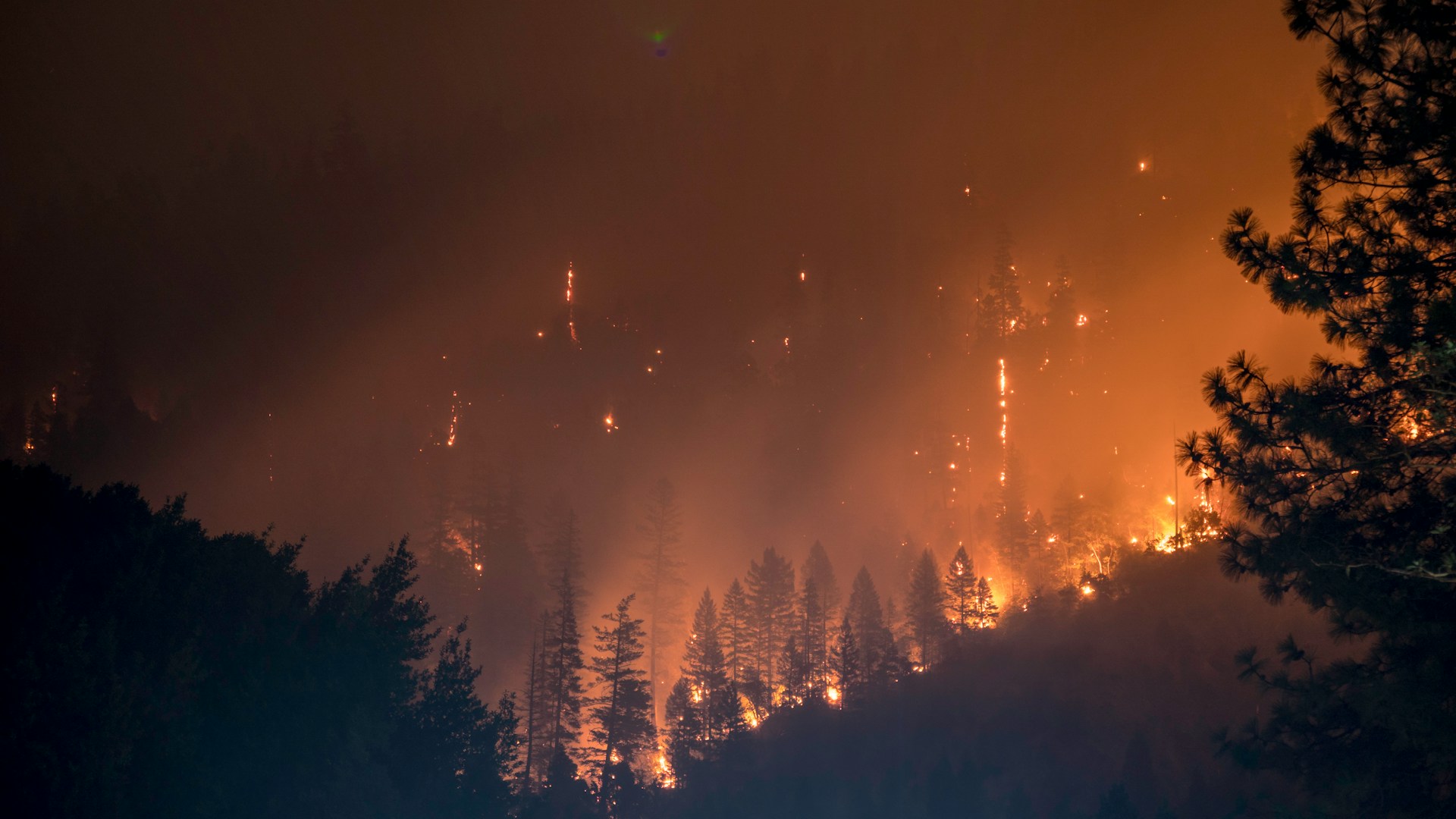
The penalties you may face for starting a wildfire in Utah depend on the circumstances surrounding the incident. If it was an accident, your punishment may not be as severe as it would if you started the wildfire on purpose. However, you can still face serious criminal penalties. Fortunately, if you have a good lawyer, you may be able to mitigate some of the harshest consequences.
To understand the differences between the various charges you can face for starting a wildfire, it’s important to understand the difference between the various levels of culpability, which the State of Utah has defined:
One of the charges you may face for starting a wildfire in Utah is causing a catastrophe. This is when you cause widespread injury or property damage using any kind of destructive force, such as a fire.
The type of charge you may face depends on your culpability and how you started the catastrophe:
Those penalties are a worst-case scenario. If you have a good lawyer helping you, your punishments may not be as harsh, even if you’re convicted of a felony.
In Utah, arson is when you use fire or explosives to intentionally destroy someone else’s property. If you attempt to destroy your own property with the purpose of defrauding an insurer, that can also land you with an arson charge.
The severity of the charge depends on how much damage you caused.
If you intentionally use fire or explosives to damage property, you can be charged with arson. However, there are a couple ways that the charge can be raised to aggravated arson, which is a first-degree felony, no matter how much damage you caused.
One of them is if the property is a habitable structure. This is defined as a structure that can be used for lodging, assembling people, or conducting business. In other words, it can be a house, but it can also be a store or an auditorium. If it’s intended to hold people, and you set it on fire, you can be charged with aggravated arson.
The other way is if it’s some other kind of structure or vehicle, and someone else is inside. For example, if someone is inside a shipping container on a freight train, and you set fire to it, that would land you with aggravated arson. Had no one been inside the container, it would be charged as arson.
Reckless burning is a crime that has several different scenarios, and the severity of the charges you can face completely depends on the situation.
If you recklessly start a fire or cause an explosion, and it endangers human life, you can be charged with a class A misdemeanor in Utah. In other words, you knew that there was a risk that this would happen, but you disregarded it.
Here’s another scenario that can land you with this type of charge. You start a fire, and you may or may not have known the risk to life or property damage. However, now it’s spreading, you are aware that it can endanger someone else’s life or property. If you fail to take “reasonable measures” to extinguish the fire or alert anyone who may be in danger, this could land you with a class A misdemeanor.
If you build a fire without taking any precaution to prevent its spread by removing flammable materials, you may be charged with a class B misdemeanor.
For example, you have a fire pit at a cabin in a forested area. It’s the end of the summer, and there are dried-up pine needles and sticks all around it. If they set fire, it will spread to trees and other structures. You don’t make sure they’re cleared out, you start the fire, and it spreads. This action — or lack thereof — can lead to a class B misdemeanor charge.
If your reckless burning leads to property damage, the penalty depends on the amount:
Criminal penalties aren’t the only thing you have to worry about if you start a wildfire in Utah. The state also has a law called Liability for causing wildland fires, which requires the actor to pay the costs of suppressing the wildfire.
Not only that, anyone who suffers property damage can also bring an action against you under that law to recover damages. This means you may have to pay however much it takes to restore the property to the condition it was before the fire.
Because Brown, Bradshaw & Moffat is a criminal defense firm we cannot assist with civil penalties. However, if this comes up during criminal proceedings, we can give you recommendations of good liability attorneys you can contact.
If you’re like a lot of Utahns, you want to enjoy the great outdoors during the summer. Maybe that includes starting a fire at night, telling scary stories, and roasting marshmallows. These are perfectly innocent activities, but it’s important to do this safely. Here are some tips:
As long as you take the necessary precautions, you can have an enjoyable, and safe experience experiencing the beautiful Utah landscape.
If you’re facing criminal penalties for starting a wildfire, it’s important to find a good lawyer. You want someone by your side who can help you navigate the legal process, and ensure that whatever happens, it’s the best outcome possible.
The best lawyers are the ones who have a lot of experience with defending people like you. You’ll find that with all of the attorneys at Brown, Bradshaw & Moffat. Each of them has been practicing the law for years. They have learned all they need to help you with your case.
Get the best legal defense from the best lawyers in Salt Lake City.
Tell us about your case, and a member of our staff will reach out to you.
Call us at (801) 532-5297 today.


